Disasters can strike without warning, leaving property owners facing overwhelming challenges. Whether caused by floods, fires, storms, or structural failures, these events often result in significant damage to buildings, personal belongings, and essential infrastructure. In the aftermath of a disaster, immediate action is crucial to ensure safety, prevent further damage, and begin the recovery process. Emergency Utah Disaster Cleanup services provide the expertise, equipment, and rapid response necessary to stabilize affected areas and restore properties as efficiently as possible. Understanding the importance of prompt intervention, the steps involved in emergency cleanup, and the benefits of professional services can help property owners navigate these critical situations with greater confidence.
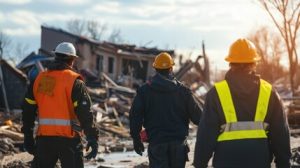
One of the most pressing reasons rapid response is essential in disaster cleanup is safety. Natural and man-made disasters can create hazardous conditions, including unstable structures, electrical risks, contaminated water, and exposure to harmful chemicals or mold. Without immediate professional intervention, property owners and occupants may face injury or health hazards. Emergency cleanup teams are trained to identify and mitigate these dangers, ensuring that affected areas are safe for residents, workers, and restoration personnel. By acting quickly, these professionals prevent accidents, reduce exposure to hazardous conditions, and provide peace of mind during a highly stressful time.
Water damage from flooding or burst pipes is one of the most common triggers for emergency disaster cleanup. Water intrusion can occur rapidly and spread throughout a property, compromising structural materials, furniture, and personal items. Rapid water extraction and drying are essential to prevent secondary damage, such as mold growth and rot. Restoration professionals use industrial-grade pumps, dehumidifiers, and moisture meters to remove water efficiently and monitor drying progress. Prompt action significantly reduces the likelihood of long-term damage, protecting both the property and its contents.
Fire and smoke damage present another scenario where rapid cleanup is critical. Fires not only destroy materials but also leave behind soot, smoke residue, and potentially harmful chemicals. Smoke can penetrate walls, carpets, upholstery, and ventilation systems, creating lingering odors and health risks. Immediate intervention from disaster cleanup professionals includes securing the property, removing debris, and cleaning smoke-affected surfaces using specialized techniques and equipment. Early action mitigates the corrosive effects of soot, reduces the risk of structural deterioration, and helps restore the property to a safe and habitable condition.
Mold and microbial growth is a common concern following water damage or flooding. Mold can develop within 24 to 48 hours of water exposure and may pose serious health risks, including respiratory issues, allergic reactions, and infections. Rapid disaster cleanup includes moisture control, thorough drying, and targeted antimicrobial treatments to prevent mold proliferation. By addressing these issues promptly, restoration professionals protect occupants’ health and minimize costly remediation efforts later. For property owners, rapid intervention is both a safety measure and a financial safeguard.
The benefits of hiring professional emergency disaster cleanup services extend beyond speed and safety. Trained teams bring industry-standard expertise, ensuring that cleanup procedures meet health, safety, and building code requirements. Their equipment—such as air movers, dehumidifiers, thermal imaging cameras, and containment systems—allows for efficient and thorough restoration that is difficult to achieve with household tools alone. Professionals also prioritize proper disposal of damaged materials, helping to reduce environmental impact while adhering to local regulations.
Property owners often encounter multiple challenges during disaster recovery, including insurance claims, structural repairs, and content restoration. Emergency cleanup teams can assist with these processes by documenting damage, providing detailed reports, and coordinating with insurance adjusters. Comprehensive documentation includes photographs, moisture readings, and notes on contaminated or destroyed materials. These records are crucial for filing accurate insurance claims, ensuring that property owners receive appropriate compensation for restoration and replacement costs.
The timeline of disaster cleanup plays a significant role in limiting long-term damage. The first few hours following a flood, fire, or structural collapse are critical for stabilizing the property. Rapid response teams prioritize tasks such as securing the area, removing standing water or debris, and assessing structural integrity. Once hazards are addressed, restoration professionals implement targeted cleaning, drying, and repair procedures. This structured approach prevents further deterioration and accelerates the recovery process, allowing property owners to return to normalcy sooner.
Property owners should be aware of the common types of services provided during emergency disaster cleanup. These typically include:
- Water Extraction and Structural Drying: Removing water and drying affected areas to prevent mold and structural damage.
- Debris Removal: Clearing damaged materials, fallen trees, or hazardous objects to ensure safety and accessibility.
- Soot and Smoke Cleanup: Treating surfaces affected by fire to remove residue and odors.
- Sanitization and Disinfection: Using antimicrobial treatments to prevent mold and bacterial growth.
- Content Restoration: Cleaning and repairing personal items, furniture, and electronics impacted by the disaster.
Each of these steps is carefully coordinated to address immediate hazards while laying the groundwork for full restoration. Skilled professionals prioritize both safety and efficiency, which is particularly important in large-scale disasters where damage may extend across multiple rooms or floors.
Timing and coordination are also vital in commercial disaster scenarios. Businesses face additional pressures during recovery, including minimizing operational downtime, protecting employee safety, and preserving inventory or equipment. Rapid cleanup ensures that business continuity plans can proceed with minimal disruption. Restoration teams may work in phases, addressing critical areas first, such as offices, production areas, or storage facilities, before moving on to less urgent spaces. This strategic approach helps organizations resume operations more quickly while mitigating financial and reputational losses.
Homeowners face similar pressures when a disaster strikes. Prompt cleanup protects family members from exposure to contaminants, prevents the spread of mold, and limits damage to personal belongings. Immediate intervention also reduces stress, as property owners are often overwhelmed by the scale of damage and the complexity of insurance claims. Professional emergency cleanup services provide guidance, expertise, and practical support, allowing homeowners to focus on other aspects of recovery, such as temporary housing, personal safety, and coordination with insurance providers.
Insurance coverage plays a critical role in disaster cleanup and restoration. Most standard homeowners’ or commercial property policies provide coverage for sudden and accidental water or fire damage, though coverage limits and deductibles vary. Rapid response is important not only for safety and property protection but also for insurance compliance. Many insurance providers require proof that mitigation steps were taken promptly to minimize further damage. Professional disaster cleanup teams provide the necessary documentation, including photographs, detailed reports, and invoices, to support insurance claims. Delays in response may result in denied claims or reduced compensation.
Preventative planning is an additional consideration for property owners seeking to minimize disaster-related losses. While emergencies cannot always be predicted, taking proactive measures can reduce damage severity. For instance, installing sump pumps, reinforcing roofing, maintaining gutters and drainage systems, and securing appliances reduces vulnerability to water intrusion. Fire prevention measures, such as smoke detectors, fire extinguishers, and safe electrical practices, further limit the impact of disasters. By combining preventative planning with rapid professional cleanup services, property owners create a comprehensive approach to property protection.
The emotional and psychological impact of disasters should not be underestimated. Experiencing a flood, fire, or other emergency can cause significant stress, anxiety, and disruption to daily life. Rapid response cleanup services provide reassurance by restoring order, mitigating hazards, and facilitating the recovery process. Knowing that experienced professionals are handling the cleanup allows property owners and occupants to focus on family safety, insurance coordination, and rebuilding efforts without additional worry about contamination or structural hazards.
Technology also enhances the effectiveness of emergency disaster cleanup. Modern equipment such as thermal imaging cameras, moisture detection tools, and high-capacity dehumidifiers allows professionals to identify hidden damage and monitor drying progress accurately. Advanced cleaning agents and antimicrobial solutions ensure thorough sanitation, particularly in cases involving contaminated water or soot. These technological tools enable more precise, efficient, and comprehensive restoration, reducing the risk of future problems and supporting successful insurance claims.
Property owners should consider several practical steps when engaging emergency disaster cleanup services. First, contact professionals as soon as possible to initiate mitigation. Second, avoid entering hazardous areas until the property is assessed and secured. Third, document all damage with photographs and notes before cleanup begins. Finally, coordinate with insurance providers to ensure that coverage requirements are met and that claims are supported by detailed evidence. These steps maximize the effectiveness of the cleanup and ensure both safety and financial protection.
In conclusion, rapid response in emergency disaster cleanup is critical for safety, health, and recovery. Whether the disaster involves water, fire, storm damage, or structural collapse, immediate intervention protects property, prevents secondary damage, and supports insurance claims. Professional cleanup services provide expertise, equipment, and documentation necessary to restore safety and order efficiently. For property owners, understanding the importance of rapid response, the types of services offered, and the steps required to coordinate with insurance providers ensures a smoother recovery process. By acting quickly, property owners safeguard their investments, protect occupants, and accelerate the journey from disaster to restored property.